
The Legendary Political Novel Uses Politics To Immersively Dive Into Much Deeper Themes
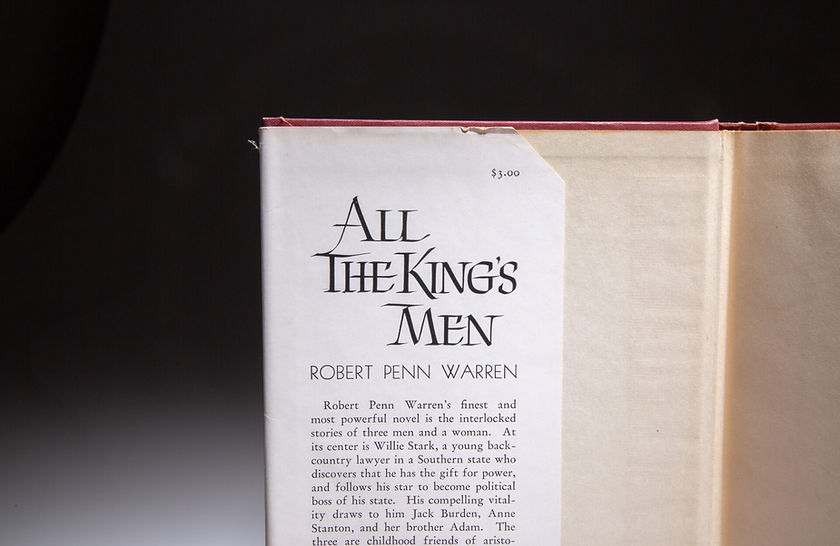
When I learned, about a third of the way into Pulitzer Prize winner Robert Penn Warren’s classic of political fiction “All the King’s Men,” that the book was actually very much not about politics, I was initially a little put off. Why, when we have a larger-than-life character like Willie Stark, the soft spoken, humble politician turned bullying, monstrous governor, are we spending so much time with one of his henchmen, our narrator, the depressed and philosophical Jack Burden? Isn’t Willie’s spectacular fall from moral grace the whole point of the book? That’s what I thought going in, at least.
But the farther you get into the book, and the more you get to know Jack Burden and understand his existential philosophies, you begin to realize that politics, and Willie Stark’s corruption, are just the vessels for some really profound musings that Warren is getting into. What is man’s place in the universe? Is everything meaningless? Or is it the complete opposite — is anything meaningless? There’s a battle at the heart of Jack Burden, and at the heart of the book, between nihilism and the impact of a man’s actions across time. The book comes out firmly on one side, but that’s all I’ll say.
These rich themes are only made more impactful by an awesome cast of characters who feel truly real and psychologically defined, as well as some really beautiful imagery and descriptive similes. It’s just really profound stuff across the board. You just have to get past the fact that, in my opinion, this is almost poorly marketed as just a book about politics. Warren said it himself that he never meant for that to be what the book was, and I agree — it’s about so much more.


